
DEPARTMENT HISTORY
Three Decades of Design Education, Change and Creative Growth
The story of the TTU Graphic Design Department is one of continued learning, evolving tools and changing forms of visual communication. Across three decades, the department has developed alongside shifts in technology, media, production and professional design practice.
THE CONTEXT
Design Education Has Never Stood Still
Graphic design continues to change as audiences, technologies, media and production systems evolve. The department’s story reflects a continuing effort to preserve strong visual foundations while responding to new ways of creating, producing and communicating.
Continuing Change
Creative Foundations
Evolving Technology
Research, Technology and Design
Contemporary design increasingly connects visual practice with research, audience understanding, emerging tools and responsible creative decision-making.
From Traditional Production to Digital Workflows
Design practice has increasingly moved between physical making, computer-based production and connected digital environments.
Growth of Photography and Multimedia
Image-making and screen-based communication have become increasingly important parts of contemporary visual practice.
Expansion of Advertising and Packaging
Commercial communication has developed beyond individual promotional pieces into coordinated systems, campaigns and packaging experiences.
Development of Animation and Illustration
Drawing, sequence, character and motion provide additional ways to communicate stories, concepts and experiences.
Continued Importance of Typography
Despite changing technologies, typography, composition, hierarchy and visual clarity remain central to effective communication.
AREAS OF DEVELOPMENT
How Graphic Design Practice Has Expanded
Across the department’s journey, creative practice has developed through interconnected changes in communication, technology and production.
Visual Communication Foundations
Typography, composition, drawing, colour, image-making and visual hierarchy provide enduring foundations for communicating ideas clearly and purposefully.
Digital and Multimedia Transformation
Digital tools, photography, screen-based media and interactive communication have expanded the ways designers develop and present ideas.
Print, Production and Technology
Prepress, printing systems, packaging and production knowledge continue to connect visual decisions with physical outcomes and professional workflows.
THE DEPARTMENT JOURNEY
A Story of Continuous Development
The department’s history can be understood through a sequence of changing creative priorities rather than isolated dates. These stages reflect the broader evolution of graphic design education and practice.
1
Foundations
Early design education established strong emphasis on drawing, visual organisation, typography, image-making and practical communication.
2
Expanding Studio Practice
Studio learning developed through increasingly varied projects, critique, experimentation and practical production.
3
Digital Transition
Computer-based tools gradually became integrated into design workflows, changing how ideas were developed, edited, reproduced and presented.
4
Broader Creative Pathways
Photography, multimedia, packaging, illustration, animation and other specialised areas expanded the range of creative practice.
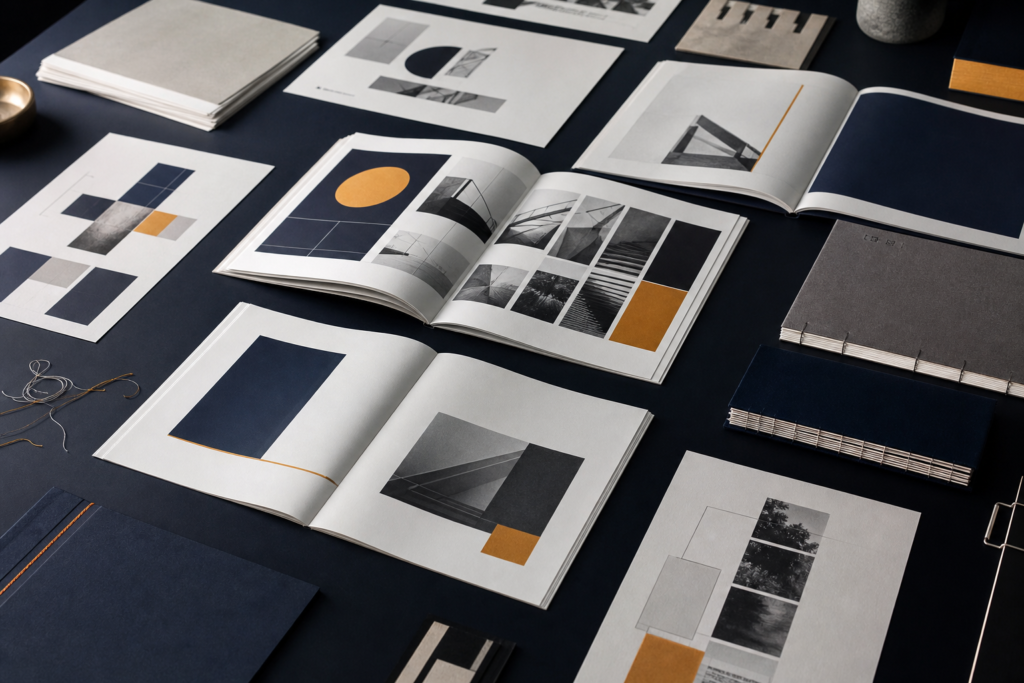
5
Strengthening Professional Practice
Research, presentation, technical standards and professional awareness became increasingly connected to studio learning.
6
Contemporary Design Education
Current practice brings together traditional visual principles, digital tools, research, production knowledge and emerging technologies.
7
30th Anniversary and the Next Chapter
The anniversary provides an opportunity to reflect on three decades of learning while considering how the department can continue adapting to future creative and technological change.
SELECTED ARCHIVE THEMES
Moments That Reflect the Department’s Evolution
Selected archive themes help illustrate how learning environments, production methods and forms of creative exchange have changed over time.
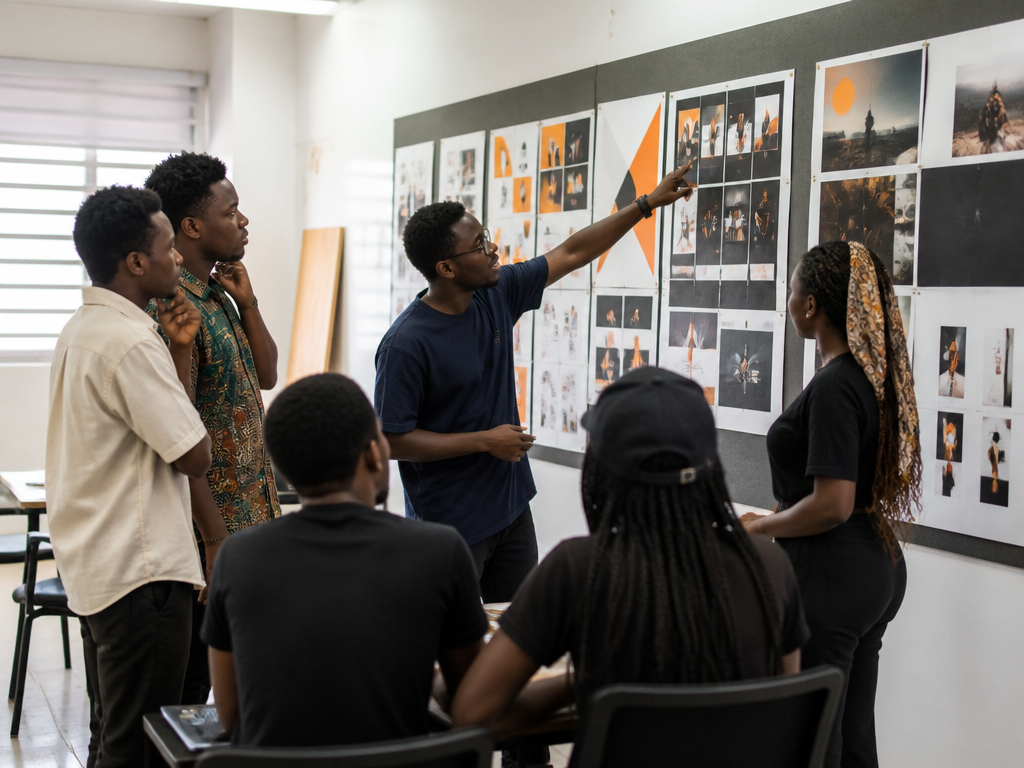
Studio Practice
Evolution of Studio Learning
Studio work has continued to centre on research, visual exploration, critique and refinement while the tools used to develop ideas have expanded significantly.
Studio
Critique
Learning
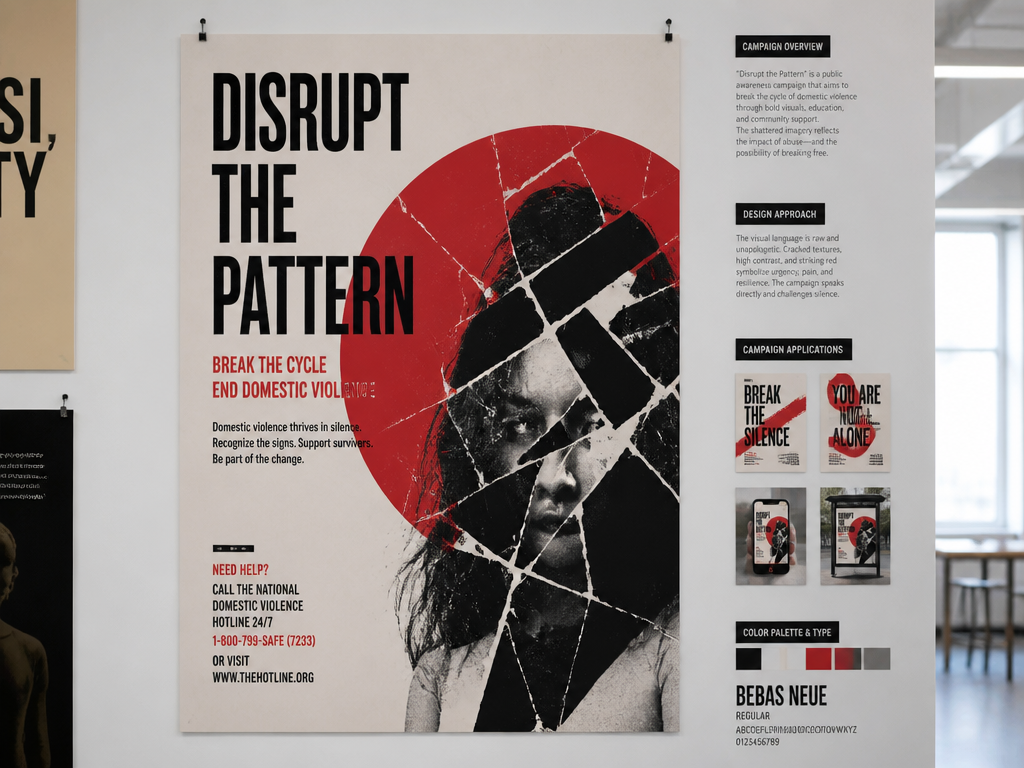
Production
From Print to Digital Production
The movement from predominantly physical production processes toward digital workflows has reshaped how designers prepare, reproduce and distribute visual communication.
Digital
Production
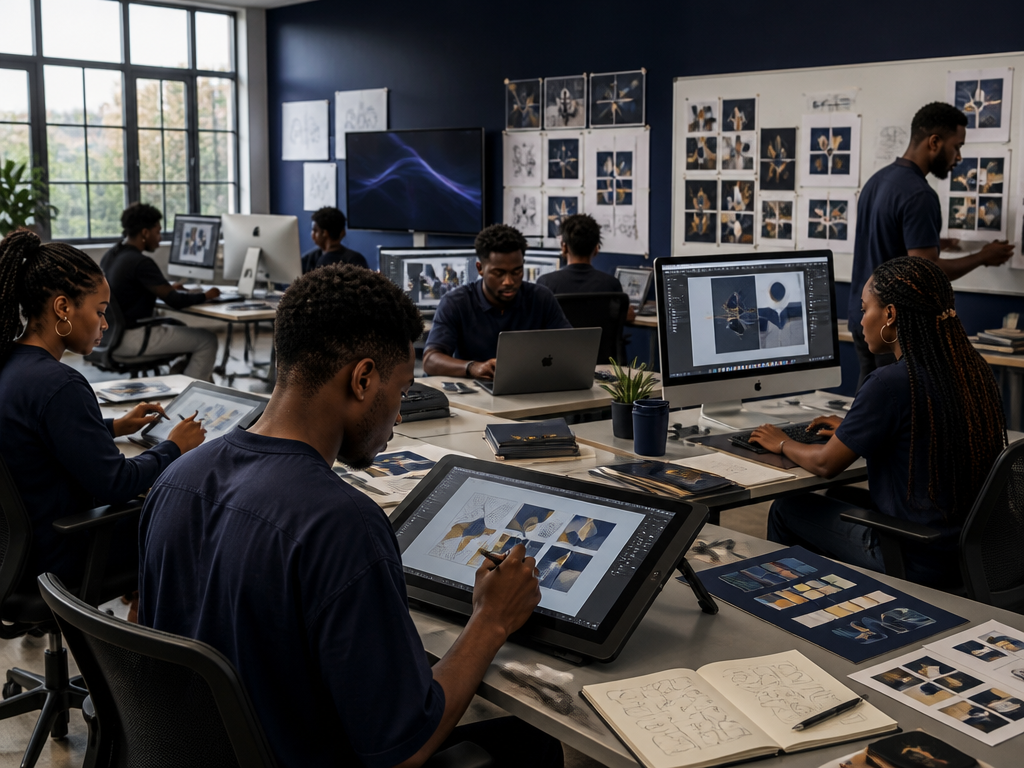
Community
Exhibitions and Creative Exchange
Presentations, exhibitions and conversations create opportunities for students, alumni and creative contributors to share work and exchange perspectives.
Exhibition
Community
Presentation
HISTORY GUIDANCE
Frequently Asked Questions
Find concise context about the anniversary, the department’s development and the visual archive.
What does the 30th Anniversary represent?
The anniversary marks three decades of graphic design education and provides an opportunity to reflect on the department’s creative development, community and future direction.
How has graphic design education changed over time?
Design education has expanded from traditional visual and production methods to include digital media, photography, animation, multimedia, interface thinking and emerging technologies while maintaining core principles such as typography, composition and communication.
How has digital technology influenced the department?
Digital tools have changed how designers develop ideas, manipulate images, prepare work for production and communicate across screen-based platforms. They now work alongside rather than completely replace traditional design methods.
What areas of practice are represented today?
The website presents areas including Multimedia and Photography, Advertising and Packaging, Animation and Illustration, and Prepress and Printing Technology alongside broader visual communication practice.
Where can I view historical images and creative material?
The Visual Archive contains selected imagery, project studies, studio experiences and exhibition-related material. Generated prototype imagery should not be treated as verified historical documentation.
Can alumni contribute archive material?
Alumni interested in contributing approved photographs, project documentation or memories can contact the department to discuss suitable archive or anniversary initiatives.
THE STORY CONTINUES
Explore the Legacy. Help Shape What Comes Next.
Discover visual records of the department’s creative journey and explore how thirty years of design education continue to inform its next chapter.